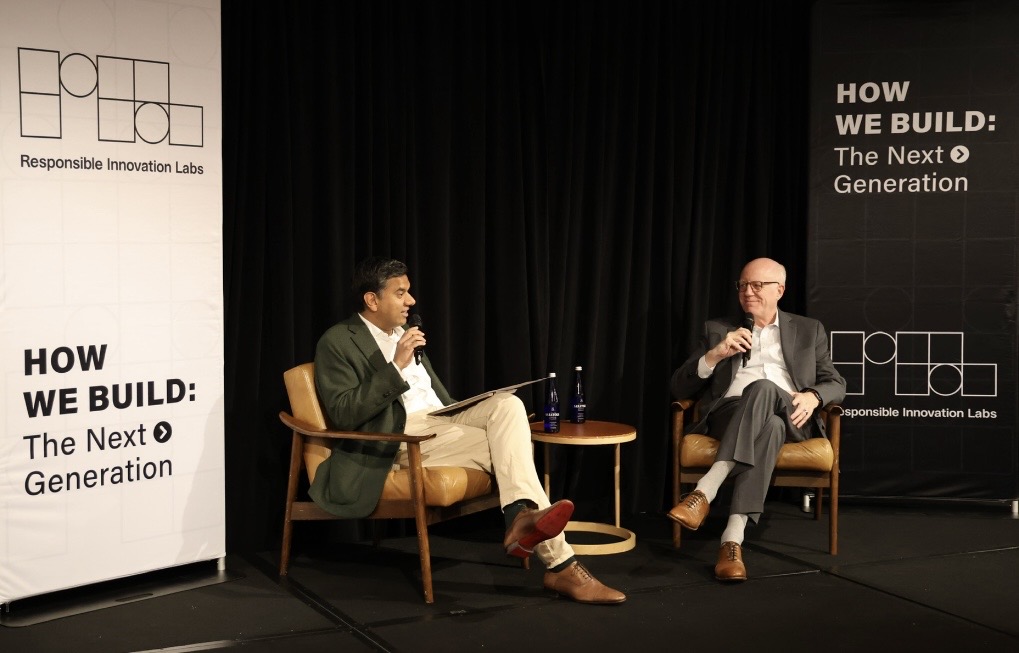
How We Build: The Next Generation
AI's impact on entry-level work is real and still unfolding. RIL hosted policy staff, researchers, investors, and founders in D.C. to work through what it means and what to do about it.
About this working session
Since about 2023, hiring into entry-level, AI-exposed roles has softened — concentrated among the youngest workers, starting in tech and spreading across the broader economy. The trend has not reversed.
The usual answers don't fit. Reskilling assumes a destination no one can name yet. A safety net assumes the problem is a missing paycheck, when what's going missing is the entry-level job itself — and most of how people build a career, develop judgment, and find their footing still runs through work.
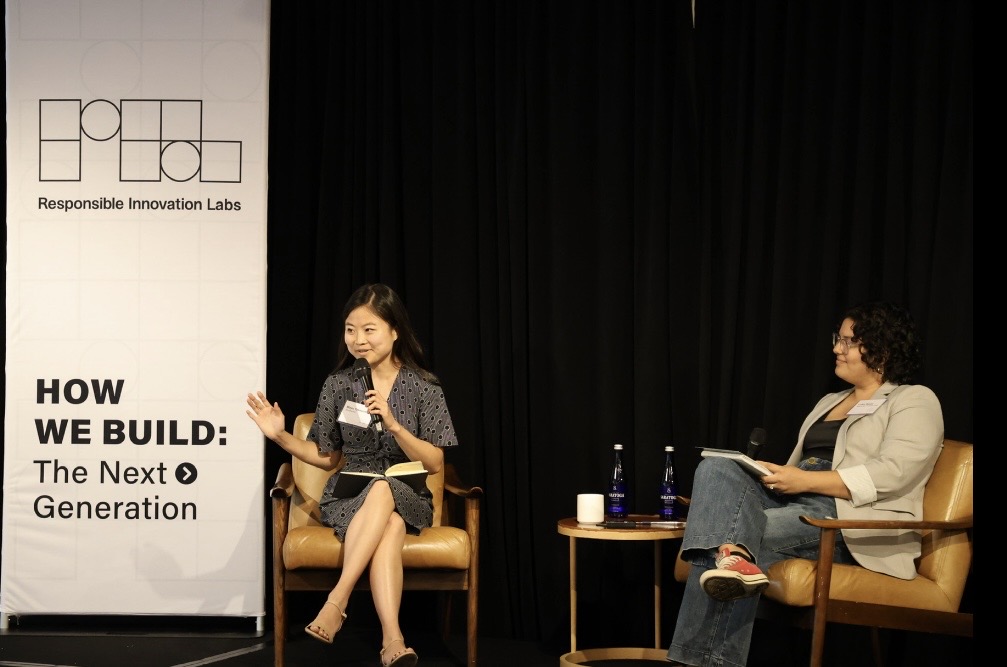
On July 9, 2026, RIL brought together bipartisan policy staff, think tank researchers, advocates, investors, founders, and enterprise leaders into one room to work through what this means and what, if anything, to do about it.
Five takeaways, consistent with Chatham House.
The mix in the room shaped what we learned. Researchers, labor leaders whose unions represent millions of American workers, Hill staff and state government leadership from both parties, startup founders, investors, and educators stayed in one conversation about first jobs from start to finish. Here are five learnings we took away from our time together:
1. Entry-level hiring in AI-exposed jobs is slowing, and the decline is measurable month by month. Whether it continues remains to be seen.
2. AI is removing tasks that taught junior employees “the job” and gave senior leaders insights into how the work was going.
3. Firms have a rational reason to skip junior hires. A country that stops producing experienced workers pays for it eventually.
4. The data show which workers are getting hit. No one can yet measure whether they land in good jobs.
5. AI adoption depends on trust, and workers have knowledge and judgment builders need.
See the full write-up by RIL's Executive Director, Gaurab Bansal, here.